The Future of Art Collecting: Mint 3D NFTs and the blockchain
In recent years, the art world has witnessed a revolutionary transformation, largely driven by advancements in technology and the emergence of blockchain. The introduction of Non-Fungible Tokens (NFTs) has opened up new avenues for artists, collectors, and investors alike. Among the most exciting developments in this space is the rise of 3D NFTs, which are poised to redefine the way we perceive, collect, and engage with art. In this article, we will explore the future of art collecting through the lens of minting 3D NFTs and utilizing blockchain technology, examining how these innovations are reshaping the art landscape.
The Evolution of Art Collecting
Art collecting has a rich history, dating back thousands of years. From the ancient patronage systems of Greece and Rome to the modern galleries and auction houses of today, the art market has always reflected cultural, societal, and technological shifts. Traditionally, art collectors sought tangible pieces—paintings, sculptures, and installations—that could be displayed in their homes or shared in galleries. However, the rise of digital art has begun to challenge these conventions, creating a demand for new forms of ownership and interaction.
With the advent of blockchain technology, the concept of ownership has evolved further. Blockchain provides a decentralized ledger system, ensuring transparency and security in transactions. This technology enables artists to sell their work directly to collectors, eliminating the need for intermediaries like galleries or auction houses. As a result, artists can retain a higher percentage of their sales, while collectors gain access to a broader array of artworks.
Understanding NFTs and Their Impact
Non-Fungible Tokens (NFTs) are unique digital assets that represent ownership of a specific item or piece of content, often linked to art, music, or virtual real estate. Unlike cryptocurrencies such as Bitcoin or Ethereum, which are fungible and can be exchanged for one another, NFTs are distinct and cannot be replicated.
The rise of NFTs has been a game-changer for the art world, allowing artists to tokenize their work and sell it directly to collectors. This process not only democratizes access to art but also empowers artists by granting them more control over their creations. When an artist mints an NFT, they can embed royalties into the smart contract, ensuring that they receive a percentage of future sales. This feature is particularly attractive to both emerging and established artists, as it provides a continuous revenue stream as their work appreciates in value.
The Allure of 3D NFTs
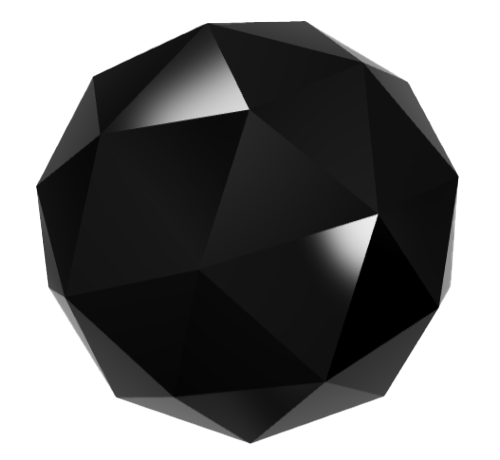
As the digital art scene continues to evolve, 3D NFTs are emerging as a captivating new medium. These tokens allow artists to create immersive, interactive, and visually stunning pieces that transcend traditional 2D formats. 3D NFTs can be experienced in Virtual reality (VR) or augmented reality (AR) environments, offering collectors a unique way to engage with art.
The allure of 3D NFTs lies in their ability to create experiences rather than just static images. Artists can design intricate sculptures that can be viewed from multiple angles, allowing collectors to appreciate the work in a way that was previously impossible. Furthermore, 3D NFTs can be integrated into virtual worlds and metaverses, providing new opportunities for social interaction and engagement with art.
Blockchain: The Backbone of Digital Art
Blockchain technology serves as the backbone of the NFT ecosystem, ensuring that each token is unique, verifiable, and tamper-proof. By storing transaction records on a decentralized ledger, blockchain guarantees provenance, an essential factor in the art market. Provenance refers to the history of ownership and authenticity of an artwork, which is critical for determining its value.
With blockchain, every NFT minted includes a record of its creation, ownership, and transaction history. This transparency not only protects collectors from fraud but also enhances the overall trust in the digital art market. Additionally, artists can use blockchain to establish their identity and brand, further solidifying their presence in the digital realm.
Challenges and Considerations
Despite the exciting opportunities presented by 3D NFTs and blockchain technology, there are challenges that must be addressed to ensure the sustainability of this new art market. One significant concern is the environmental impact of blockchain transactions, particularly on platforms that rely on energy-intensive proof-of-work mechanisms. Many artists and collectors are advocating for more eco-friendly alternatives, such as proof-of-stake systems, which require significantly less energy to operate.
Another challenge is the issue of copyright and intellectual property rights. As digital art becomes more accessible, protecting artists’ work from unauthorized duplication or exploitation is paramount. Clear regulations and standards must be established to safeguard the rights of creators while encouraging innovation.
The Role of Platforms in the NFT Ecosystem
The emergence of dedicated NFT marketplaces has played a crucial role in the proliferation of 3D NFTs and digital art collecting. Platforms such as Opensea, Rarible, and Foundation have created user-friendly interfaces that allow artists to mint, showcase, and sell their work with ease. These marketplaces often feature curated collections, helping collectors discover new talent and emerging trends in the digital art space.
Moreover, social media platforms like Instagram and Twitter have become vital tools for artists and collectors to connect and engage with one another. These platforms enable artists to share their work, build their brand, and cultivate a following, driving interest and demand for their NFTs.
The Future of Art Collecting
As we look to the future, the art world is poised for even more transformation. The rise of 3D NFTs will continue to challenge traditional notions of art and ownership, allowing for greater interactivity and immersion. Additionally, advancements in technology, such as virtual reality and augmented reality, will further enhance the way collectors experience art.
Blockchain technology will continue to play a pivotal role in ensuring the integrity and security of the art market, fostering trust between artists and collectors. As the demand for digital art grows, we can expect to see more artists embracing NFTs as a viable means of generating income and sharing their work with a global audience.
Moreover, as the market matures, we may witness the emergence of new business models and collaborations between artists, collectors, and technology companies. The integration of NFTs into various industries, such as gaming and fashion, will also create exciting cross-disciplinary opportunities for artists.
Conclusion
The future of art collecting is undeniably intertwined with the rise of 3D NFTs and blockchain technology. As these innovations continue to reshape the landscape, artists and collectors alike stand to benefit from the increased accessibility, transparency, and interactivity offered by this new paradigm. Embracing these changes will not only enhance the way we engage with art but also pave the way for a more inclusive and dynamic art market that reflects the diverse voices of creators from around the world.
FAQs
What are 3D NFTs?
3D NFTs are unique digital assets that represent ownership of three-dimensional artworks. They can be experienced in virtual reality or augmented reality environments, allowing collectors to interact with the art in immersive ways.
How do I mint a 3D NFT?
To mint a 3D NFT, you typically need to choose an NFT marketplace that supports 3D assets, create a digital wallet, and upload your 3D artwork. Follow the platform’s guidelines to complete the minting process.
Are NFTs environmentally friendly?
The environmental impact of NFTs largely depends on the blockchain platform used for minting. Some platforms utilize energy-intensive proof-of-work mechanisms, while others use more eco-friendly proof-of-stake systems. Artists and collectors are increasingly advocating for sustainable practices in the NFT space.
How can I ensure the authenticity of an NFT?
Blockchain technology provides a transparent and secure way to verify the authenticity of an NFT. Each token contains a unique identifier and transaction history, allowing collectors to trace its provenance and confirm its legitimacy.
What are the potential risks of investing in NFTs?
Investing in NFTs carries risks, including market volatility, potential legal challenges regarding copyright, and the environmental impact of blockchain transactions. It’s essential for collectors to conduct thorough research and exercise caution before making investments.
Discover more from The Meteyeverse
Subscribe to get the latest posts sent to your email.