
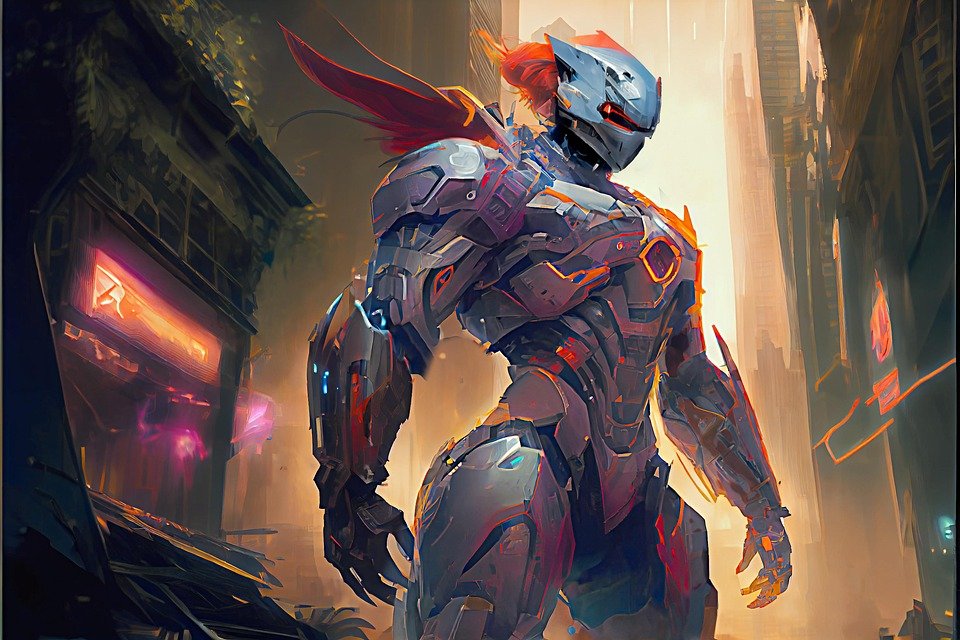
Introduction to the Metaverse
In recent years, the term “Metaverse” has become a buzzword, captivating the imagination of technologists, gamers, and entrepreneurs alike. From Virtual reality (VR) experiences to augmented reality (AR) applications, the Metaverse represents a vast and interconnected digital universe that transcends the physical world.
But what exactly is the Metaverse? At its core, the Metaverse is a collective virtual space where users can interact with each other and the digital environment through avatars. It is a convergence of various technologies, including VR, AR, blockchain, and social media, creating a rich tapestry of experiences that range from immersive gaming to virtual commerce. As we dive deeper into the Metaverse, we will explore its diverse landscape and the myriad opportunities it presents.
The Evolution of Virtual Realities
The Genesis of Virtual Worlds
The journey towards the Metaverse began decades ago with the advent of early virtual worlds. In the 1970s and 1980s, text-based games like MUD (Multi-User Dungeon) allowed players to explore digital environments and interact with others through text commands. These early experiences laid the groundwork for the more sophisticated virtual worlds that followed.
The Rise of 3D Environments
The 1990s saw the emergence of 3D virtual worlds, such as “Second life” and “Active Worlds,” which introduced graphical avatars and a more immersive experience. These platforms enabled users to create their own content, socialize, and even conduct business. However, the limitations of technology at the time meant that these worlds were often fragmented and isolated from one another.
Advancements in Technology
With the rapid advancement of technology in the 21st century, the concept of the Metaverse began to take shape. The introduction of high-speed internet, powerful graphics cards, and affordable VR headsets allowed for more immersive and engaging experiences. The gaming industry played a significant role in this evolution, with titles like “Fortnite” and “Roblox” creating expansive virtual spaces where players could interact, create, and monetize their experiences.
Diverse Applications of the Metaverse
Gaming
Gaming is perhaps the most well-known application of the Metaverse. Platforms like “Fortnite,” “Roblox,” and “Minecraft” have created immersive worlds that go beyond traditional gameplay. Players can socialize, participate in virtual events, and even create their own games within these platforms. The rise of esports and virtual tournaments has further blurred the lines between gaming and social interaction, making the Metaverse a thriving hub for entertainment.
Social Interaction
Social interaction is a fundamental aspect of the Metaverse. Platforms like “VRChat” and “Rec Room” allow users to engage in virtual hangouts, attend events, and even participate in virtual concerts. These experiences foster a sense of community and connection, enabling people from around the world to come together in shared spaces. The COVID-19 pandemic accelerated the adoption of these platforms, as people sought new ways to connect while maintaining physical distance.
Education and Training
The Metaverse is also revolutionizing education and training. Virtual classrooms and simulations offer immersive learning experiences that engage students in ways traditional methods cannot. For instance, medical students can practice surgeries in a risk-free environment, while language learners can converse with native speakers in real-time. Companies are also using virtual training programs to enhance employee skills and collaboration.
Virtual Commerce
As the Metaverse continues to evolve, so does the concept of virtual commerce. Brands are increasingly establishing a presence in these digital spaces, creating virtual storefronts where users can purchase digital goods and services. From virtual fashion to in-game assets, the possibilities are endless. Furthermore, blockchain technology and NFTs (non-fungible tokens) are enabling users to own and trade unique digital items, adding a layer of authenticity and value to virtual assets.
Real Estate in the Metaverse
Surprisingly, virtual real estate has become a hot commodity in the Metaverse. Platforms like “Decentraland” and “The Sandbox” allow users to buy, sell, and develop virtual land. Investors and creators are purchasing parcels of digital land to build experiences, host events, or even rent out to others. The concept of virtual real estate not only reflects the growing interest in digital spaces but also raises questions about ownership and value in the virtual realm.
The Future of the Metaverse
Interoperability and Cross-Platform Experiences
One of the key challenges facing the Metaverse is interoperability—the ability for different virtual worlds and platforms to communicate and integrate with one another. Currently, many virtual experiences are siloed, limiting the overall potential of the Metaverse. However, companies like Meta (formerly Facebook) and Microsoft are actively working towards creating a more interconnected Metaverse, where users can seamlessly transition between different experiences and environments.
Decentralization and User Ownership
Another significant trend is the push for decentralization within the Metaverse. Users are increasingly seeking control over their digital identities and assets. Blockchain technology is facilitating this shift by allowing users to own and trade digital items securely. Decentralized platforms aim to empower creators and users, reducing the dominance of corporate entities in the virtual space and fostering a more equitable ecosystem.
Ethical Considerations
As the Metaverse expands, ethical considerations come to the forefront. Issues such as data privacy, digital identity, and online harassment raise important questions about user safety and well-being in virtual environments. Stakeholders, including developers, users, and regulatory bodies, must collaborate to establish guidelines and best practices that prioritize user rights and create a safe and inclusive Metaverse.
Conclusion
The Metaverse is an exciting and rapidly evolving landscape that holds the potential to transform how we interact, learn, and engage with one another. From gaming to education, virtual commerce to social interaction, the possibilities are vast and varied. As technology continues to advance, the Metaverse will likely become an integral part of our daily lives, shaping the future of entertainment, communication, and commerce.
However, as we navigate this uncharted territory, it is crucial to consider the ethical implications and work towards creating a Metaverse that is equitable, safe, and inclusive for all users. The journey into the Metaverse is just beginning, and the opportunities are limitless.
FAQs about the Metaverse
What is the Metaverse?
The Metaverse is a collective virtual space that allows users to interact with each other and the digital environment through avatars, combining elements of virtual reality, augmented reality, and digital economies.
How is the Metaverse used in gaming?
The Metaverse enhances gaming experiences by providing immersive environments where players can socialize, participate in events, and create their own content within expansive virtual worlds.
What role does blockchain play in the Metaverse?
Blockchain technology enables users to own and trade unique digital assets (such as NFTs) in the Metaverse, providing authenticity and value to virtual goods and services.
Are there educational applications of the Metaverse?
Yes, the Metaverse offers immersive learning experiences, allowing for virtual classrooms, simulations, and interactive training programs that engage students in innovative ways.
What are the ethical considerations surrounding the Metaverse?
Ethical considerations include data privacy, digital identity, online harassment, and user safety. Stakeholders must work together to establish guidelines that prioritize user rights in virtual spaces.
Discover more from The Meteyeverse
Subscribe to get the latest posts sent to your email.