Introduction
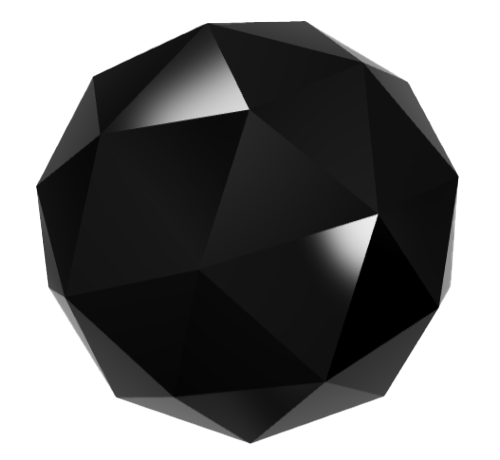
The realm of art has always been a dynamic canvas for innovation, evolving with the advent of new technologies and creative expressions. In recent years, the convergence of art and technology has birthed a groundbreaking phenomenon: generative 3D NFTs (Non-Fungible Tokens). This article explores the fascinating journey of generative 3D NFTs, from their inception as abstract concepts to their pivotal role in the contemporary art world, reshaping the ways artists create, collect, and engage with their work.
The Birth of Generative Art
Generative art, as a concept, is not new. It has its roots in the 1960s, when artists began using algorithmic processes to create artwork. Pioneers like Frieder Nake and Harold Cohen utilized computer programming to generate visual art, challenging traditional notions of creativity and authorship. However, it wasn’t until the rise of digital technology and blockchain that generative art gained significant traction.
The Role of Algorithms
At the core of generative art is the algorithm—a set of rules or instructions that dictate the creation process. Artists write code to produce unique pieces of art, often resulting in complex, intricate visuals that are impossible to replicate. This method not only democratizes art creation but also introduces an element of unpredictability, where the outcomes can vary widely based on the parameters set by the artist.
From Generative Art to NFTs
The introduction of NFTs revolutionized the art world by providing a mechanism to authenticate and trade digital art. With blockchain technology, artists could now prove ownership and provenance of their works, leading to a surge in interest in digital assets. Generative art found a natural ally in NFTs, as artists could tokenize their algorithmically produced pieces, ensuring each creation was unique and verifiable.
The First Wave of Generative 3D NFTs
As the NFT market began to flourish around 2021, generative 3D NFTs emerged as a prominent genre. Artists like Pak, XCOPY, and the creators behind projects such as Art Blocks captured the attention of collectors and investors alike. These pieces often featured stunning visual compositions, intricate designs, and immersive experiences, leveraging the capabilities of 3D modeling and animation.
The Art Blocks Platform
One of the most significant platforms in the generative NFT space is Art Blocks. Launched in late 2020, Art Blocks allows artists to create generative art that is minted on the Ethereum blockchain. Each project on the platform is characterized by a unique algorithm that generates art pieces on-demand, allowing collectors to purchase “minted” NFTs without knowing the final output until the transaction is complete.
The Impact of Art Blocks on Artists
Art Blocks has democratized access to generative art, enabling artists to showcase their work to a global audience. The platform has fostered a community of creators and collectors, where collaboration and innovation thrive. Artists can experiment with their coding skills and artistic vision, pushing the boundaries of what is possible in the NFT space.
Collecting Generative 3D NFTs
The allure of collecting generative 3D NFTs lies in their unique nature and the stories they tell. Collectors are drawn to the concept of owning a one-of-a-kind piece of art that is both a digital asset and a reflection of the artist’s creative process. The excitement of unpredictability—never knowing exactly what the final piece will look like until it is minted—adds to the thrill of collecting.
The Role of Scarcity and Rarity
Scarcity plays a crucial role in the value of generative NFTs. Artists can choose to limit the number of editions produced, creating a sense of rarity that drives demand. Collectors often seek out limited-edition pieces, as they represent not only a unique investment but also a connection to the artist’s creative journey.
The Challenges of Generative 3D NFTs
Despite their rapid rise, generative 3D NFTs face several challenges. The environmental impact of blockchain technology, particularly in terms of energy consumption, has raised concerns among artists and collectors alike. Additionally, the market’s volatility and the potential for scams or counterfeit pieces pose risks for participants in the NFT space.
Addressing Environmental Concerns
Many artists and platforms are actively seeking solutions to mitigate the environmental impact of NFTs. Initiatives such as transitioning to more energy-efficient blockchain networks, exploring carbon offsetting strategies, and promoting sustainable practices within the NFT community are gaining momentum. As awareness grows, artists are keen to ensure that their work does not contribute to ecological harm.
The Future of Generative 3D NFTs
As technology continues to advance, the possibilities for generative 3D NFTs are virtually limitless. Innovations in artificial intelligence, machine learning, and real-time rendering will allow artists to create even more complex and dynamic pieces. The integration of virtual and augmented reality may also open new avenues for showcasing and experiencing generative art.
A New Era of Collaboration
The future of generative 3D NFTs also lies in collaboration. Artists, technologists, and collectors are increasingly working together to push the boundaries of creativity. Collaborative projects, where multiple artists contribute to a single generative piece, highlight the communal aspect of this art form and demonstrate the potential for collective creativity in the digital age.
Conclusion
The evolution of generative 3D NFTs represents a significant shift in the art world, merging creativity with technology in unprecedented ways. From their conceptual origins to their current status as coveted digital assets, generative NFTs are reshaping how artists create, collectors invest, and audiences engage with art. As the landscape continues to evolve, one thing remains clear: generative 3D NFTs are not just a passing trend; they are a testament to the ever-changing nature of artistic expression in the digital era.
FAQs
What are generative 3D NFTs?
Generative 3D NFTs are unique digital art pieces that are created using algorithms and are stored on a blockchain as non-fungible tokens. Each piece is generated based on specific parameters set by the artist, resulting in one-of-a-kind artworks.
How does Art Blocks work?
Art Blocks is a platform that allows artists to create generative art that is minted on the Ethereum blockchain. Collectors can purchase NFTs from various projects, and the final artwork is generated at the moment of purchase, making each piece unique.
What challenges do generative 3D NFTs face?
Generative 3D NFTs face challenges including environmental concerns related to blockchain energy consumption, market volatility, and the potential for scams or counterfeit pieces. Many in the community are actively seeking solutions to these issues.
What is the future of generative 3D NFTs?
The future of generative 3D NFTs is bright, with advancements in technology paving the way for more complex and dynamic creations. Collaborations between artists and technologists will likely lead to innovative projects that push the boundaries of creativity.
How can I start collecting generative 3D NFTs?
To start collecting generative 3D NFTs, you’ll need a digital wallet that supports Ethereum, as most NFTs are minted on this blockchain. Explore platforms like Art Blocks, Opensea, or Rarible to discover and purchase unique generative art pieces.
Discover more from The Meteyeverse
Subscribe to get the latest posts sent to your email.