Exploring the Boundless Potential of Generative 3D NFTs: A Look at the Future of Digital Collectibles
The digital landscape has been transformed in recent years by the rise of Non-Fungible Tokens (NFTs), and among the most intriguing developments are Generative 3D NFTs. These unique digital assets offer a blend of artistry and technology, providing collectors and creators with new ways to express themselves and engage with the digital world. As we delve deeper into this fascinating realm, we will explore the potential of Generative 3D NFTs, the technology behind them, and what the future holds for digital collectibles.
The Evolution of NFTs
Non-Fungible Tokens emerged as a novel concept in 2017, primarily gaining attention through platforms like CryptoKitties, which allowed users to buy, sell, and breed virtual cats. Unlike cryptocurrencies such as Bitcoin or Ethereum, NFTs are unique and cannot be exchanged on a one-to-one basis. This uniqueness gives them value, as they can represent ownership of digital art, music, virtual real estate, and much more.
As the NFT market matured, artists and developers began experimenting with generative art—works created through algorithms and code. Generative 3D NFTs take this concept a step further, combining the intricacies of 3D modeling with the uniqueness of NFTs to create captivating digital assets that can be interacted with and appreciated in new ways.
Understanding Generative 3D NFTs
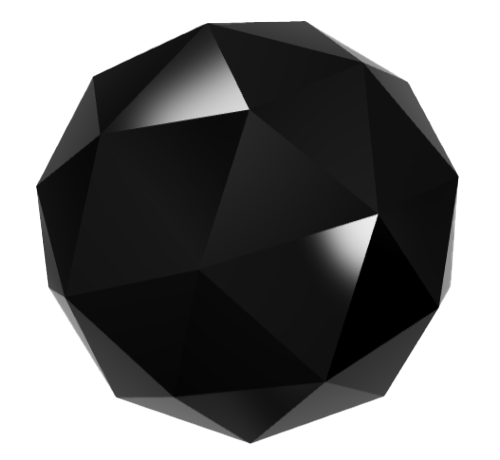
Generative 3D NFTs are digital collectibles created using algorithms that generate three-dimensional objects. Each piece can be entirely unique, often resulting in variations that reflect different parameters set by the creator. This technology allows for a level of creativity and complexity that traditional 2D NFTs cannot match.
For example, a generative art piece might use a set of variables such as color, shape, texture, and size to create an infinite number of unique 3D models. This results in stunning visuals that can appeal to collectors and enthusiasts alike, providing a rich experience that transcends the limitations of static images or videos.
The Technology Behind Generative 3D NFTs
The process of creating Generative 3D NFTs typically involves several key technologies:
1. 3D Modeling software
Creators use advanced 3D modeling software, such as Blender or Cinema 4D, to design the base elements of their generative art. These tools enable artists to construct intricate shapes and forms that can be manipulated through code.
2. Algorithmic Design
At the heart of generative art is the algorithm. Artists write code that dictates how the 3D models will be generated. This code can introduce randomness, allowing for variations in the final output. Artists can also set specific rules that govern how different elements interact, creating a cohesive yet diverse collection.
3. blockchain Technology
Once a generative 3D NFT is created, it is minted on a blockchain, typically Ethereum. This process ensures the uniqueness and ownership of the digital collectible. Smart contracts govern the sale, transfer, and royalties associated with the NFT, providing creators with ongoing revenue opportunities.
The Collector’s Perspective
For collectors, Generative 3D NFTs offer a unique opportunity to own a piece of digital art that is not only visually stunning but also one-of-a-kind. The appeal lies in the combination of aesthetics and the thrill of collecting something that no one else possesses.
Moreover, the interactive nature of 3D NFTs allows collectors to engage with their assets in ways that traditional 2D art cannot offer. Imagine rotating a piece in Virtual reality, examining it from all angles, or even altering its appearance through a user interface designed by the creator.
Challenges and Opportunities
While the potential for Generative 3D NFTs is immense, several challenges lie ahead. One significant issue is the environmental impact of blockchain technology, particularly with regard to energy consumption. As the NFT space continues to grow, there is a pressing need for sustainable practices.
Additionally, the market is becoming increasingly saturated with NFTs, making it essential for creators to differentiate their work. This calls for innovation, whether through unique artistic styles, novel concepts, or interactive features that enhance the collector’s experience.
The Future of Generative 3D NFTs
As we look ahead, the future of Generative 3D NFTs appears bright. Several trends are beginning to emerge:
1. Cross-Platform Integration
Generative 3D NFTs are likely to find their way into various virtual environments, including gaming platforms and metaverses. This integration will allow collectors to showcase their assets in immersive settings, further enhancing their value and appeal.
2. Enhanced Interactivity
Creators are expected to develop more interactive features that allow collectors to customize their 3D NFTs. This could include changing colors, shapes, or even animations, giving collectors a sense of ownership beyond mere possession.
3. community-Driven Projects
Communities will play a vital role in shaping the future of Generative 3D NFTs. Collaborative projects, where artists and collectors contribute to the creation of generative art, will likely become more prevalent. This democratization of art creation could lead to innovative works that reflect diverse perspectives and styles.
4. Integration of Augmented Reality (AR)
As AR technology advances, we can expect Generative 3D NFTs to be viewed and interacted with in the real world. Imagine projecting your digital collectible in your living room, allowing friends and family to experience it in a tangible way.
Conclusion
Generative 3D NFTs represent a remarkable intersection of art, technology, and community. As the NFT market continues to evolve, these digital collectibles are poised to redefine ownership and creativity in the digital realm. With endless possibilities for innovation and engagement, the future of Generative 3D NFTs is not just bright; it is boundless.
FAQs
What are Generative 3D NFTs?
Generative 3D NFTs are unique digital assets created using algorithms that generate three-dimensional objects, resulting in one-of-a-kind collectibles that can be visually interacted with.
How are Generative 3D NFTs created?
They are created using 3D modeling software and algorithmic design, which allows artists to define parameters for generating unique pieces. Once created, these NFTs are minted on a blockchain for ownership verification.
What are the benefits of collecting Generative 3D NFTs?
Collectors benefit from owning unique digital art that can be visually appreciated and interacted with in immersive environments. Additionally, they may have the potential for investment appreciation over time.
What challenges do Generative 3D NFTs face?
Challenges include environmental concerns related to blockchain technology, market saturation, and the need for ongoing innovation to stand out in a crowded space.
What does the future hold for Generative 3D NFTs?
The future includes increased cross-platform integration, enhanced interactivity, community-driven projects, and integration with augmented reality, leading to a more immersive and engaging experience for collectors.
Discover more from The Meteyeverse
Subscribe to get the latest posts sent to your email.