The Art of the Third Dimension: Exploring the Unique Possibilities of 3D NFTs
The world of digital art is evolving rapidly, ushering in a new era defined by the fusion of creativity and technology. Among the most exciting developments in this space are 3D NFTs (Non-Fungible Tokens), which have begun to redefine the boundaries of art, ownership, and interactivity. This article delves into the unique possibilities presented by 3D NFTs, exploring their artistic potential, the technology behind them, and their implications for the future of digital ownership.
The Evolution of Digital Art
Digital art has come a long way since its inception. Initially relegated to simple graphics and pixel art, the medium has seen significant advancements with the rise of software and hardware capable of creating stunning visuals. The introduction of NFTs has further transformed the landscape, allowing artists to tokenize their work and sell it in a way that secures ownership and provenance.
As artists began to explore the possibilities of NFTs, a new frontier emerged: 3D art. This innovative form of digital expression incorporates depth, dimension, and interactivity, representing a significant leap from traditional 2D NFTs. The ability to create immersive experiences and intricate designs allows artists to engage their audience in ways that were previously impossible.
Understanding 3D NFTs
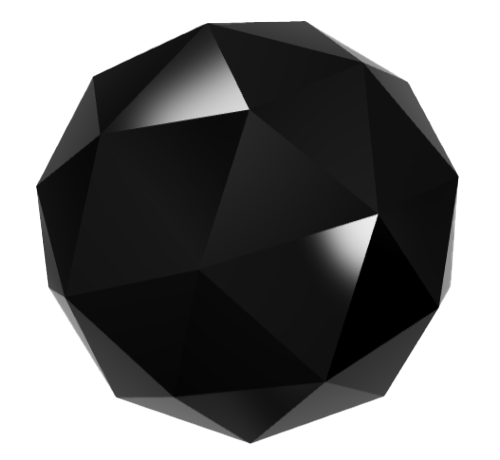
At its core, a 3D NFT is a digital asset that represents ownership of a unique piece of 3D art. Unlike traditional 2D images, 3D NFTs can be rotated, manipulated, and interacted with, offering a more immersive experience for the viewer. The underlying technology for these tokens typically leverages blockchain, ensuring that each piece is verifiable and secure.
3D NFTs can take various forms, including animated sculptures, interactive environments, and even Virtual reality (VR) experiences. This versatility allows artists to push the boundaries of their creativity, exploring new themes, narratives, and visual styles that resonate with diverse audiences.
The Artistic Potential of 3D NFTs
One of the most significant advantages of 3D NFTs is the sheer scope of artistic possibilities they present. Artists can leverage three-dimensional space to create works that invite exploration and engagement, transforming passive viewers into active participants. Here are some of the unique artistic possibilities that 3D NFTs offer:
1. Immersive Experiences
3D NFTs can transport viewers into entirely new worlds. Artists can create environments that viewers can explore, interact with, and even reshape. This immersive potential is especially pronounced in the realm of virtual reality, where users can don VR headsets and step into a fully realized digital landscape.
2. Interactive Elements
The interactivity of 3D NFTs allows artists to incorporate elements that respond to user actions. For example, an artist might design a sculpture that changes color or shape based on user input, creating a dynamic dialogue between the artwork and the viewer. This not only enhances engagement but also adds layers of meaning to the art itself.
3. Multi-Dimensional Storytelling
3D NFTs can tell stories in ways that flat images cannot. Artists can use depth and space to convey narratives, guiding viewers through a sequence of events or emotions. By layering elements in three-dimensional space, artists can create a more nuanced storytelling experience that resonates on multiple levels.
4. Collaboration and community
The NFT space has fostered a sense of community and collaboration among artists. 3D NFTs can further enhance this by allowing multiple creators to contribute to a single piece. For instance, one artist might design the environment, while another creates characters that inhabit it. This collaborative approach can lead to innovative and unexpected outcomes.
Technological Foundations of 3D NFTs
The creation and distribution of 3D NFTs rely on various technologies that enable artists to bring their visions to life. Here are some of the key components that underpin this exciting medium:
1. Blockchain Technology
At the heart of NFTs lies blockchain technology, which serves as a decentralized ledger to record ownership and transaction history. This technology ensures that each 3D NFT is unique and verifiable, giving artists and collectors confidence in their investments.
2. 3D Modeling Software
Artists use specialized software to create 3D models, such as Blender, Maya, and Cinema 4D. These tools allow for intricate designs, animations, and textures that make 3D art visually stunning. The final model can then be exported in formats compatible with NFT marketplaces.
3. NFT Marketplaces
Numerous platforms have emerged to cater to the growing demand for 3D NFTs. Marketplaces like Opensea, Rarible, and Foundation allow artists to mint, sell, and showcase their work to a global audience. These platforms often provide tools for embedding interactivity and animations, enhancing the overall experience for buyers.
Challenges and Considerations
While the possibilities of 3D NFTs are exciting, there are also challenges and considerations that artists and collectors must navigate:
1. Environmental Impact
The energy consumption associated with blockchain transactions has raised concerns about the environmental impact of NFTs. Artists and platforms are increasingly exploring eco-friendly alternatives, such as using proof-of-stake blockchains that consume less energy.
2. Market Saturation
As the NFT space grows, so does competition. Artists must find ways to differentiate their work and build a unique brand in a crowded market. This may involve exploring niche themes, collaborating with other artists, or innovating in terms of presentation and interactivity.
3. Security and Copyright
The digital nature of NFTs raises questions about copyright and ownership. Artists must be vigilant in protecting their intellectual property and ensuring that their work is not misappropriated or copied without permission. Understanding the legal framework surrounding NFTs is crucial for artists entering this space.
The Future of 3D NFTs
The future of 3D NFTs is bright and full of potential. As technology continues to evolve, artists will gain access to increasingly sophisticated tools and platforms that enable them to push the boundaries of their creativity. Here are some trends and possibilities for the future:
1. Integration with Augmented Reality
Augmented reality (AR) has the potential to enhance the experience of 3D NFTs by allowing users to project digital art into their physical environments. This fusion of reality and digital art can create unique experiences that blend the virtual and physical worlds.
2. Expanding Into the Metaverse
The concept of the Metaverse—a collective virtual space where users can interact with a computer-generated environment—holds tremendous potential for 3D NFTs. Artists can create immersive experiences that exist within the metaverse, allowing for social interaction, collaboration, and exploration.
3. Evolving Aesthetics
As the medium matures, we can expect to see new aesthetic trends emerge within the realm of 3D NFTs. Artists will likely experiment with styles, themes, and techniques, leading to innovative works that challenge traditional notions of art and beauty.
Conclusion
3D NFTs represent a groundbreaking development in the world of digital art. By merging creativity with technology, artists have the opportunity to explore new dimensions of expression and interaction. While challenges exist, the potential for innovation and engagement in this space is vast. As we move forward, the art of the third dimension will undoubtedly continue to captivate audiences and inspire creators around the globe.
FAQs
What are 3D NFTs?
3D NFTs are unique digital assets that represent ownership of three-dimensional art. They can be interacted with, manipulated, and experienced in ways that traditional 2D NFTs cannot.
How do I create a 3D NFT?
To create a 3D NFT, you need to design a 3D model using software such as Blender or Maya. Once your model is complete, you can mint it as an NFT on a compatible marketplace, such as OpenSea or Rarible.
What platforms can I use to buy and sell 3D NFTs?
Several marketplaces cater to 3D NFTs, including OpenSea, Rarible, Foundation, and SuperRare. Each platform has its own features and audience, so it’s worth exploring multiple options.
Are 3D NFTs environmentally friendly?
The environmental impact of NFTs has raised concerns due to the energy consumption associated with blockchain transactions. However, many platforms are exploring eco-friendly alternatives to mitigate this impact.
What is the future of 3D NFTs?
The future of 3D NFTs is promising, with potential advancements in technology, integration with augmented reality, and expansion into the metaverse. As the medium evolves, we can expect to see new artistic expressions and innovative experiences emerge.
Discover more from The Meteyeverse
Subscribe to get the latest posts sent to your email.