
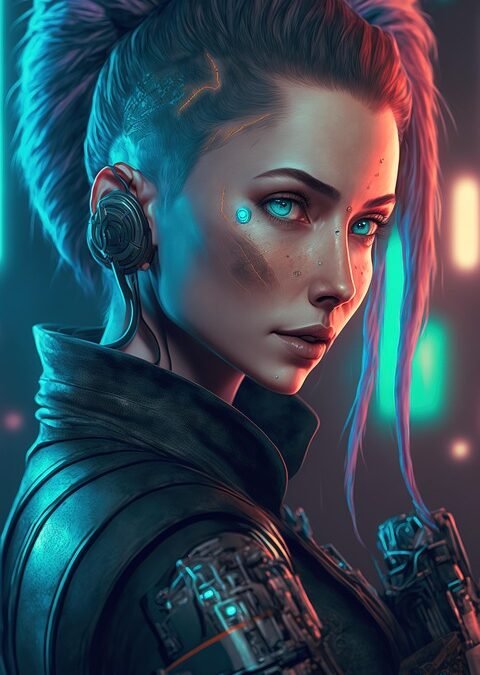
The Intersection of Gaming and blockchain: How FPS NFTs are Leading the Way
The gaming industry has always been at the forefront of technological innovation, evolving with the advent of new technologies and trends. One of the most significant shifts in recent years has been the intersection of gaming and blockchain technology, which has opened up new possibilities for game developers and players alike. Among the most intriguing developments in this space is the rise of non-fungible tokens (NFTs), particularly in the realm of first-person shooters (FPS). This article explores how FPS NFTs are leading the way in this exciting intersection, revolutionizing the gaming experience, ownership, and community engagement.
Understanding NFTs and Their Role in Gaming
Non-fungible tokens (NFTs) are unique digital assets verified using blockchain technology. Unlike cryptocurrencies such as Bitcoin or Ethereum, which are fungible and can be exchanged one for another, NFTs are one-of-a-kind and cannot be exchanged on a one-to-one basis. This uniqueness gives them inherent value, especially in the gaming world, where rarity and ownership can significantly enhance the gaming experience.
In gaming, NFTs can represent in-game assets such as skins, weapons, characters, and even entire virtual worlds. This ownership transforms the relationship players have with their virtual possessions, allowing them to buy, sell, or trade these assets on various marketplaces, thereby creating a real-world economy based on digital goods.
The Appeal of FPS games
First-person shooters (FPS) are among the most popular genres in the gaming industry. Titles like Call of Duty, Counter-Strike, and Apex Legends have massive followings and generate billions in revenue each year. FPS games are characterized by their fast-paced gameplay, competitive nature, and immersive experiences, making them ideal candidates for integrating blockchain technology and NFTs.
The appeal of FPS games is not just in the gameplay itself; it also lies in the community aspect. Players often invest time and effort into building their skills, customizing their characters, and collecting unique items. By incorporating NFTs, developers can enhance this community engagement, giving players a sense of ownership and investment in the game.
How FPS NFTs Are Changing the Game
The introduction of NFTs into FPS games has the potential to transform the gaming experience in several ways:
1. True Ownership
One of the most significant changes brought about by NFTs is the concept of true ownership. Players can now own their in-game assets in a way that was previously impossible. For example, if a player acquires a rare skin or weapon in an FPS game that is represented as an NFT, they can trade or sell it independently of the game developers. This level of ownership empowers players and adds a new dimension to the gaming experience.
2. Rarity and Value
In traditional gaming, developers control the supply of in-game items, which can lead to a lack of rarity and value. With NFTs, developers can create limited-edition items, ensuring that certain skins or weapons remain rare and highly sought after. This scarcity drives demand, allowing players to invest in their collections and potentially profit from their investments in the future.
3. Community Engagement
NFTs foster a sense of community among players. Players can collaborate, trade, and participate in events centered around their unique assets. For instance, developers can host tournaments or competitions where players showcase their rare NFTs, creating excitement and engagement within the community. This enhances the social aspect of gaming and can lead to increased player retention and satisfaction.
4. Play-to-Earn Models
The play-to-earn model has gained traction in the blockchain gaming space, allowing players to earn rewards in the form of NFTs or cryptocurrencies simply by playing the game. This approach not only incentivizes gameplay but also creates a sustainable economy within the game. Players can earn valuable assets that they can later trade or sell, making gaming a viable source of income for some.
5. Interoperability
Blockchain technology allows for interoperability between different games and platforms. This means that players could potentially use their FPS NFTs in multiple games, enhancing their value and utility. Imagine using a rare weapon skin from one game in another, expanding the horizons of how players interact with their digital assets.
Notable Examples of FPS NFT Games
Several FPS games have already begun to explore the potential of NFTs, paving the way for the future of gaming. Here are a few notable examples:
1. Zed Run
While not a traditional FPS, Zed Run is a racing game that utilizes NFTs to represent unique racehorses. The game’s success has influenced other developers in the FPS genre to explore similar concepts. Players can buy, breed, and race their horses, creating a dynamic and engaging experience that has drawn in a massive player base.
2. Cryptokitties
Again, not an FPS, but Cryptokitties was one of the first games to popularize the concept of NFTs. Players collect and breed digital cats, each represented as an NFT. The game’s success has inspired FPS developers to consider how they can implement NFT mechanics in their own titles to create unique and engaging gameplay experiences.
3. Ember Sword
Ember Sword is a blockchain-based MMORPG that incorporates NFTs to represent in-game items, including weapons and skins. While it is not an FPS, its innovative approach to ownership and in-game economies has set a precedent for FPS developers to follow.
4. The Sandbox
The Sandbox is a Metaverse platform that allows users to create, own, and monetize their gaming experiences. It utilizes NFTs to represent virtual land, characters, and items. FPS games within The Sandbox can leverage NFTs to create unique gameplay experiences, further blurring the lines between traditional gaming and blockchain technology.
Challenges and Considerations
While the integration of NFTs in FPS games presents numerous opportunities, it also poses several challenges that developers must navigate:
1. Environmental Concerns
One of the primary criticisms of blockchain technology is its environmental impact, particularly in proof-of-work systems that require significant energy consumption. Developers need to consider eco-friendly blockchain solutions to mitigate these concerns and ensure that their games are sustainable.
2. Market Volatility
The value of NFTs can be highly volatile, which may deter some players from investing in them. Developers must create systems that provide stable and fair economies within their games to encourage player participation.
3. Regulatory Challenges
The regulatory landscape surrounding blockchain technology and NFTs is still evolving. Developers must stay informed about regulations in their regions and ensure compliance to avoid potential legal issues down the line.
4. Player Accessibility
Not all players are familiar with blockchain technology or NFTs. Developers should focus on creating user-friendly interfaces and educational resources to help players understand how to engage with these new systems.
Looking Ahead: The Future of FPS NFTs
The intersection of gaming and blockchain technology is still in its infancy, but the potential for innovation is immense. As FPS games continue to explore the world of NFTs, we can expect to see new mechanics, gameplay experiences, and community engagement strategies that redefine how players interact with their favorite titles.
In the coming years, we may witness the rise of fully decentralized FPS games where players have complete control over their assets and experiences. This shift could lead to a new era of gaming, where players are not just consumers but active participants in shaping the gaming landscape.
Conclusion
The integration of NFTs into FPS games is a groundbreaking development that has the potential to revolutionize the gaming industry. By providing players with true ownership, rarity, and the ability to earn from their gameplay, NFTs are changing the way we think about virtual assets and community engagement. As developers continue to explore this exciting intersection, the future of gaming looks brighter than ever.
FAQs
1. What are NFTs?
Non-fungible tokens (NFTs) are unique digital assets verified on a blockchain, representing ownership of a specific item or piece of content.
2. How do NFTs enhance the gaming experience?
NFTs provide players with true ownership of in-game assets, create rarity and value, and foster community engagement through trading and collaboration.
3. Can I sell my FPS NFTs?
Yes, players can buy, sell, or trade their FPS NFTs on various marketplaces, allowing them to profit from their investments.
4. Are there any environmental concerns related to NFTs?
Yes, some blockchain systems, particularly those using proof-of-work, can have a significant environmental impact. Developers are exploring eco-friendly solutions to address these concerns.
5. What is the future of FPS NFTs?
The future of FPS NFTs looks promising, with the potential for new gameplay mechanics, decentralized gaming experiences, and increased player engagement.
Discover more from The Meteyeverse
Subscribe to get the latest posts sent to your email.