NFTs Go 3D: The Emergence of Generative Art in the Digital Marketplace
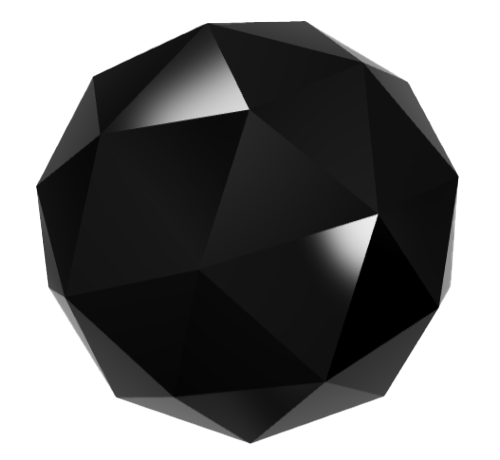
The world of digital art has experienced a seismic shift in recent years, largely due to the rise of Non-Fungible Tokens (NFTs). As we venture deeper into the realm of digital assets, one of the most exciting developments is the emergence of 3D generative art. This captivating fusion of technology and creativity not only expands the horizons of artistic expression but also opens new avenues for creators and collectors alike.
The Basics of NFTs
Non-Fungible Tokens (NFTs) are unique digital assets that represent ownership of a specific item or piece of content on a blockchain. Unlike cryptocurrencies such as Bitcoin or Ethereum, which are interchangeable, NFTs cannot be exchanged on a one-to-one basis. Each NFT has distinct characteristics, making it one-of-a-kind. This uniqueness has made NFTs particularly appealing to artists, musicians, and content creators who wish to establish digital ownership and provenance of their work.
Generative Art: A New Frontier
Generative art refers to artwork created with the assistance of autonomous systems, often involving algorithms and code. This innovative approach allows artists to create complex, dynamic pieces that can evolve over time or react to user inputs. With the advent of NFTs, generative art has gained immense popularity, enabling artists to sell their creations as verifiable digital assets.
The 3D Revolution
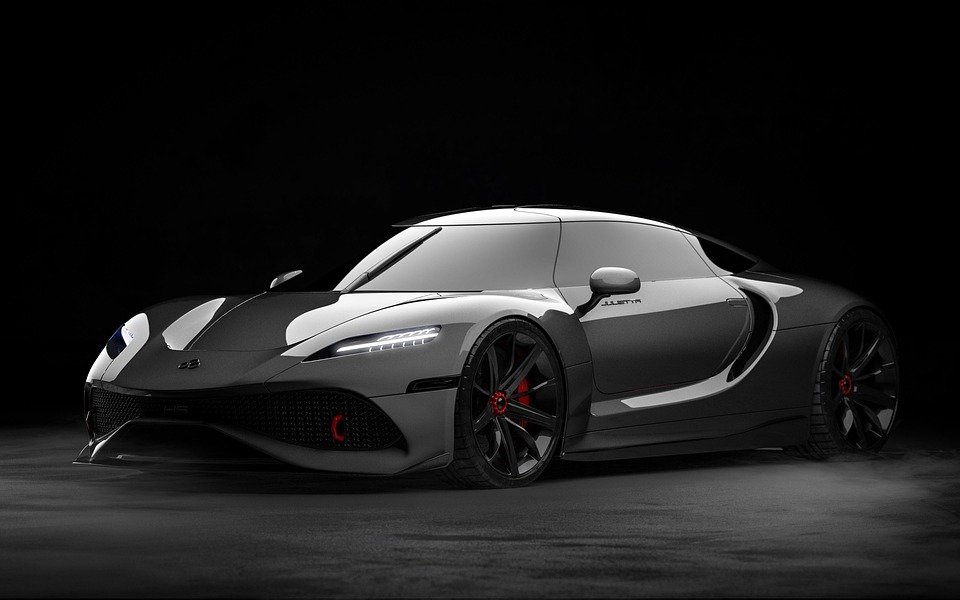
While 2D NFT art has garnered significant attention, the introduction of 3D generative art is revolutionizing the marketplace. Artists are now leveraging technologies such as Blender, Cinema 4D, and Unity to create immersive, interactive experiences that push the boundaries of traditional art forms. The three-dimensional aspect not only enhances visual appeal but also allows for greater interactivity, enabling collectors to engage with the art in innovative ways.
Exploring the Intersection of Art and Technology
The convergence of art and technology has led to a new breed of artists who are proficient in coding, design, and creative thinking. These digital creators are experimenting with algorithms to produce intricate 3D sculptures, animations, and installations that can be owned, traded, and displayed in virtual environments. The result is a vibrant ecosystem where creativity knows no bounds, allowing for an unprecedented level of artistic expression.
Marketplaces for 3D Generative Art
As interest in 3D generative art grows, so does the demand for dedicated marketplaces. Platforms such as Opensea, Rarible, and SuperRare have expanded their offerings to include 3D NFTs, providing artists and collectors with a space to buy, sell, and showcase their works. These platforms not only facilitate transactions but also foster a sense of community among digital artists and collectors.
Notable Projects and Artists
Several standout projects and artists have emerged within the 3D generative art space, captivating audiences and collectors alike. Here are a few notable examples:
- Art Blocks: A pioneering platform that allows artists to create generative art pieces that are minted as NFTs. Each artwork is unique and generated based on a set of algorithms, resulting in an infinite array of variations.
- Pak: A renowned digital artist who has made waves with his innovative approach to generative art. His works often explore themes of identity, ownership, and the nature of digital assets.
- Fidenza: Created by artist Tyler Hobbs, Fidenza is a series of generative art pieces that showcase intricate patterns and vibrant colors, all generated through an algorithm. Each piece is distinct, making it a sought-after collection within the NFT space.
The Role of Virtual reality and Augmented Reality
The integration of Virtual Reality (VR) and Augmented Reality (AR) with 3D generative art is further enhancing the experience for collectors. Artists are now creating immersive environments where viewers can interact with their art in ways previously unimaginable. This immersive experience not only adds value to the NFT itself but also transforms how audiences perceive and engage with art.
Challenges and Considerations
Despite the excitement surrounding 3D generative art, there are challenges that artists and collectors must navigate. Issues such as copyright, ownership rights, and environmental concerns related to blockchain technology are at the forefront of discussions within the community. Additionally, as the market continues to grow, it is crucial for artists to maintain their unique voice amidst the rising tide of generative art.
The Future of 3D Generative Art
The future of 3D generative art in the NFT marketplace is brimming with potential. As technology continues to advance, we can expect to see even more innovative approaches to digital art creation and curation. Artists will likely explore new mediums, techniques, and collaborations, leading to the emergence of groundbreaking works that challenge traditional notions of art.
Conclusion
The emergence of 3D generative art within the NFT marketplace represents a fascinating evolution in the world of digital art. By harnessing the power of technology and creativity, artists are crafting unique, interactive experiences that captivate audiences and redefine ownership in the digital age. As we look to the future, it is clear that the intersection of art and technology will continue to inspire and innovate, paving the way for a new era of artistic expression.
FAQs about NFTs and 3D Generative Art
What is an NFT?
A Non-Fungible Token (NFT) is a unique digital asset that represents ownership of a specific item or piece of content on a blockchain. Each NFT has distinct characteristics, making it one-of-a-kind.
How does generative art work?
Generative art is created using algorithms and code, allowing artists to produce complex and dynamic pieces that can evolve over time or react to user inputs.
What platforms are best for buying and selling 3D NFTs?
Some popular marketplaces for 3D NFTs include OpenSea, Rarible, and SuperRare, where artists can mint their works and collectors can purchase them.
Can 3D NFTs be displayed in virtual environments?
Yes, 3D NFTs can be displayed in virtual environments, and many artists are creating immersive experiences using Virtual Reality (VR) and Augmented Reality (AR) to enhance viewer engagement.
What are the environmental concerns related to NFTs?
Many NFTs are minted on blockchain networks that require significant energy consumption. This has raised concerns about the environmental impact of NFTs, leading to discussions about more sustainable practices.
Will 3D generative art continue to grow in popularity?
Yes, as technology advances and more artists experiment with 3D generative art, we can expect continued growth and innovation in this space, attracting both collectors and creators alike.
Discover more from The Meteyeverse
Subscribe to get the latest posts sent to your email.