Introduction to NFTs and the 3D Revolution
In recent years, the digital landscape has witnessed a significant transformation with the advent of Non-Fungible Tokens (NFTs). These unique digital assets have revolutionized the way we perceive ownership, creativity, and art in the virtual realm. Among the various forms of NFTs, 3D NFTs are increasingly capturing the imagination of creators and collectors alike. Mint 3D NFTs are at the forefront of this movement, bringing a new dimension—quite literally—to the world of digital assets. In this article, we will delve into the beauty of Mint 3D NFTs, exploring the technology behind them, their applications, and what makes them so enticing.
The Essence of NFTs
To truly appreciate the allure of Mint 3D NFTs, it is essential to understand the foundational concept of NFTs. Unlike cryptocurrencies such as Bitcoin or Ethereum, which are fungible and can be exchanged for one another, NFTs are unique digital tokens that represent ownership of a specific item or piece of content. This uniqueness is secured through blockchain technology, ensuring that each NFT is verifiable and cannot be duplicated.
Initially, NFTs gained popularity through digital art, but their applications have expanded into various sectors, including gaming, music, virtual real estate, and collectibles. The beauty of NFTs lies in their ability to provide artists with new revenue streams while giving collectors a sense of ownership over unique pieces of digital art.
The Allure of 3D NFTs
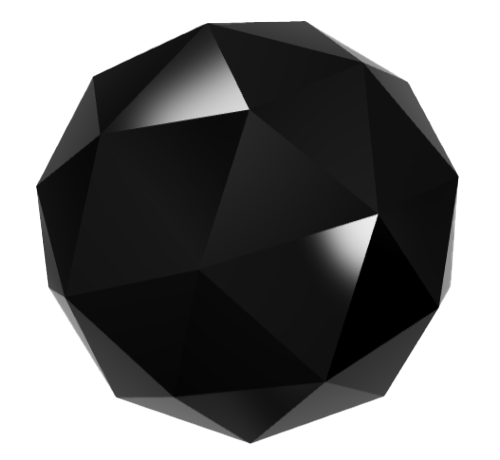
3D NFTs take the concept of digital ownership to a new level. By introducing three-dimensional elements, these NFTs provide a more immersive experience for users. Imagine not just owning a piece of art but being able to interact with it, walk around it, or even alter its appearance. This interactive aspect is what sets 3D NFTs apart from their 2D counterparts.
Mint 3D NFTs, in particular, incorporate advanced technologies such as Augmented Reality (AR) and Virtual reality (VR), creating a bridge between the digital and physical worlds. Artists can produce stunning 3D models that can be viewed and experienced in real-time, enhancing the overall aesthetic appeal and engagement for collectors.
The Technology Behind Mint 3D NFTs
The creation and minting of 3D NFTs involve a blend of cutting-edge technologies. Here’s a closer look at the core components:
Blockchain Technology
At the heart of every NFT is blockchain technology. Mint 3D NFTs leverage the security and decentralization of blockchain to establish provenance and ownership. Ethereum is the most commonly used blockchain for NFTs, but other platforms like Binance Smart Chain and Flow are also gaining traction. The smart contracts on these blockchains enable the automated execution of ownership transfers and royalty payments, ensuring that artists receive compensation each time their work is resold.
3D Modeling software
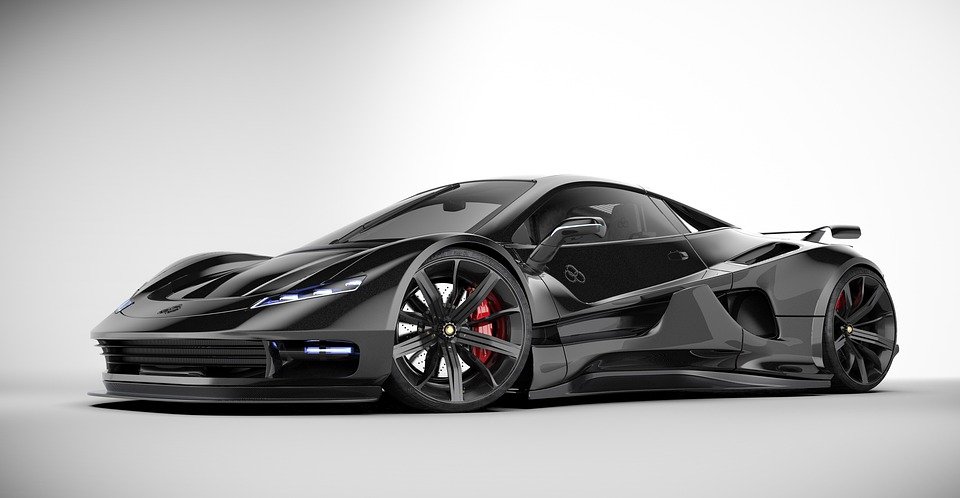
The creation of 3D NFTs begins with sophisticated 3D modeling software. tools like Blender, Maya, and Cinema 4D allow artists to design intricate models that can be textured, rigged, and animated. The level of detail and creativity that can be achieved with these tools is astounding, enabling artists to create lifelike representations or imaginative creations that captivate audiences.
Augmented Reality (AR) and Virtual Reality (VR)
AR and VR technologies play a crucial role in enhancing the experience of Mint 3D NFTs. Through AR, users can project 3D models into their physical environment using their smartphones or AR glasses. This interactivity allows collectors to engage with their NFTs in innovative ways, bringing them to life in their own spaces.
VR, on the other hand, immerses users in a fully virtual environment where they can interact with 3D NFTs as if they were physically present. This level of engagement transforms the way users perceive and appreciate digital art, making it a more intimate experience.
Applications of Mint 3D NFTs
Mint 3D NFTs are not just a novelty; they have practical applications across various industries:
Art and Collectibles
Artists are increasingly turning to 3D NFTs as a means of expressing their creativity. The ability to incorporate movement and interactivity brings a new dimension to their work, allowing them to tell stories in ways that static images cannot. Collectors, in turn, can showcase their 3D NFTs in virtual galleries, providing a platform for artists to reach a wider audience.
Gaming
The gaming industry has embraced 3D NFTs wholeheartedly. Players can own unique in-game assets, such as characters, weapons, or skins, that can be bought, sold, or traded on various NFT marketplaces. This creates a true sense of ownership and investment in the game, as players can benefit from the value appreciation of their assets over time.
Fashion and Virtual Goods
Fashion brands are beginning to explore the potential of Mint 3D NFTs to create digital clothing and accessories. Virtual fashion shows featuring 3D NFT designs allow brands to showcase their collections in innovative ways. Users can purchase these virtual items for their avatars in online platforms, merging the worlds of fashion and digital identity.
Real Estate and Virtual Worlds
Mint 3D NFTs are making waves in the virtual real estate market as well. Users can buy, sell, and trade virtual land and properties in Metaverse platforms, with each parcel of land represented as a unique NFT. This not only allows for ownership of virtual spaces but also opens the door for creative development and monetization within these digital realms.
The Benefits of Minting 3D NFTs
Minting 3D NFTs offers several advantages for artists, collectors, and businesses alike:
Enhanced Engagement
The interactive nature of 3D NFTs fosters a deeper connection between creators and their audience. Collectors can engage with the artwork in ways that go beyond mere observation, leading to a more emotional investment in the piece.
New Revenue Streams
For artists and creators, Mint 3D NFTs provide an opportunity to monetize their work in innovative ways. Beyond the initial sale, artists can benefit from royalties on secondary sales, ensuring they continue to earn from their creations over time.
Decentralization and Ownership
Mint 3D NFTs empower creators by providing them with direct control over their work. The decentralized nature of blockchain ensures that artists retain ownership and can dictate the terms of their sales, eliminating the need for intermediaries.
Challenges and Considerations
While the potential of Mint 3D NFTs is vast, there are challenges to consider:
Environmental Concerns
The energy consumption associated with blockchain transactions, particularly on proof-of-work networks like Ethereum, has raised environmental concerns. Artists and collectors are increasingly seeking ways to mitigate their carbon footprint, leading to the exploration of more sustainable blockchain solutions.
Market Volatility
The NFT market is known for its volatility, with prices fluctuating dramatically based on trends and hype. This can pose risks for both creators and collectors, making it essential to approach NFT investments with caution.
Intellectual Property Issues
As the NFT space continues to evolve, so do questions around copyright and intellectual property rights. Artists must ensure they have the rights to mint and sell their work as NFTs, while buyers should be aware of the terms associated with ownership.
The Future of Mint 3D NFTs
The future of Mint 3D NFTs looks promising as technology continues to advance. With the growth of the Metaverse and virtual worlds, the demand for immersive experiences will likely drive further innovation in the 3D NFT space. As more artists and creators experiment with this medium, we can expect to see an explosion of creativity and diversity in 3D NFTs, pushing the boundaries of what is possible in the digital realm.
Conclusion
Mint 3D NFTs represent a fascinating intersection of art, technology, and ownership. By leveraging advanced technologies like blockchain, AR, and VR, they are transforming the way we interact with digital assets. As the NFT landscape continues to evolve, Mint 3D NFTs will play a pivotal role in shaping the future of creativity, ownership, and engagement in the digital age. Whether you are an artist exploring new avenues for expression or a collector seeking unique digital assets, the world of Mint 3D NFTs offers endless possibilities to uncover and appreciate.
FAQs
What are Mint 3D NFTs?
Mint 3D NFTs are unique digital assets that incorporate three-dimensional elements, allowing for interactivity and immersive experiences. They leverage technologies like blockchain, Augmented Reality (AR), and Virtual Reality (VR) to enhance engagement.
How do I create a Mint 3D NFT?
To create a Mint 3D NFT, you typically need a 3D modeling software to design your asset, then use a blockchain platform that supports NFTs to mint and sell it. Ensure you have the rights to your creation before minting.
What are the potential applications of Mint 3D NFTs?
Mint 3D NFTs can be applied in various fields, including art, gaming, fashion, and virtual real estate. They enable unique ownership and interactivity, making them suitable for diverse use cases.
Are Mint 3D NFTs environmentally friendly?
The environmental impact of Mint 3D NFTs depends on the blockchain used for minting. Some blockchains consume more energy than others. However, there is a growing interest in exploring more sustainable blockchain solutions.
What challenges do Mint 3D NFTs face?
Mint 3D NFTs face challenges such as environmental concerns, market volatility, and potential intellectual property issues. Artists and collectors should navigate these challenges with caution.
Discover more from The Meteyeverse
Subscribe to get the latest posts sent to your email.