Innovating in the Digital Realm: How 3D NFTs are Pushing the Boundaries of Creativity
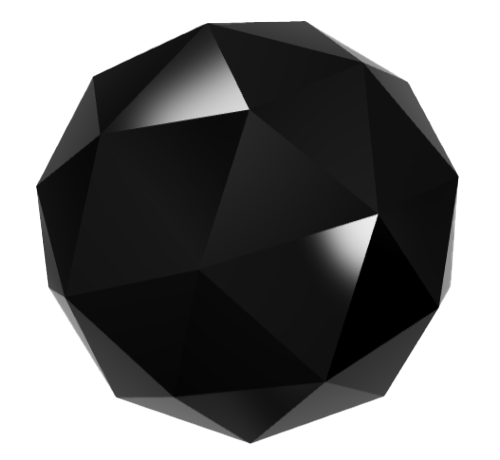
The digital landscape has undergone a significant transformation over the past few years, with innovations reshaping the way we perceive art, ownership, and creativity. Among these innovations, Non-Fungible Tokens (NFTs) have emerged as a groundbreaking phenomenon, revolutionizing the way artists, creators, and collectors interact with digital assets. Specifically, 3D NFTs are at the forefront of this movement, pushing the boundaries of creativity and unlocking new possibilities in the digital realm.
The Rise of NFTs: From 2D to 3D
NFTs are unique digital assets verified using blockchain technology, allowing creators to establish ownership and authenticity of their work. Initially, most NFTs were 2D artworks, often in the form of static images or videos. However, as technology evolved, so too did the capabilities of NFTs. The introduction of 3D NFTs has not only expanded the medium but has also provided artists with new tools for expression.
3D NFTs allow creators to design immersive digital experiences that engage audiences in ways traditional art forms cannot. From interactive sculptures to virtual environments, these NFTs are redefining the concept of ownership and creativity in the digital age. Artists can now create dynamic, multi-dimensional pieces that can be experienced in augmented reality (AR) or Virtual reality (VR) settings, offering a more engaging experience for collectors.
The Artistic Potential of 3D NFTs
The artistic potential of 3D NFTs is virtually limitless. Artists are leveraging this medium to explore new dimensions of storytelling, interactivity, and aesthetics. Consider how 3D NFTs can enhance various art forms:
1. Interactive Art Installations
3D NFTs enable artists to create interactive installations that invite viewers to engage with the artwork. For example, an artist might design a virtual gallery where visitors can navigate through different rooms, each showcasing a unique 3D piece. This level of interactivity transforms passive viewing into an immersive experience, allowing audiences to explore and interpret the art in their own way.
2. Augmented Reality Experiences
Augmented reality is another area where 3D NFTs shine. Artists can create pieces that come to life when viewed through a smartphone or AR headset. Imagine pointing your device at a physical space and witnessing a stunning 3D sculpture appear before your eyes, complete with animations and sound. This blend of the digital and physical worlds enhances the viewer’s experience and opens up new avenues for artistic expression.
3. Virtual Reality Worlds
In the realm of virtual reality, 3D NFTs can populate entire digital worlds. Artists can build intricate environments filled with 3D assets, allowing users to immerse themselves in a fully realized artistic vision. This not only showcases the artist’s creativity but also provides a platform for social interaction, where people can gather in these virtual spaces to appreciate art together.
Redefining Ownership and Value
One of the most intriguing aspects of 3D NFTs is how they redefine ownership and value in the digital realm. Traditional art forms often grapple with issues of authenticity and provenance, but NFTs offer a solution by providing a verifiable record of ownership on the blockchain. This transparency builds trust between creators and collectors, ensuring that artists receive recognition and compensation for their work.
Moreover, the value of 3D NFTs can be influenced by various factors, including rarity, demand, and the reputation of the artist. The scarcity of a 3D NFT can create a sense of exclusivity, driving up its value and making it a coveted item for collectors. This dynamic market encourages artists to push their creative boundaries, knowing that their innovations can be rewarded in the form of financial success.
Case Studies: Pioneering 3D NFT Artists
Several artists have successfully embraced 3D NFTs, showcasing the diverse possibilities of this medium. Here are a few prominent figures leading the charge:
1. Krista Kim
Krista Kim is a digital artist known for her immersive 3D NFTs that explore the intersection of technology and spirituality. Her work often incorporates vibrant colors and mesmerizing animations, inviting viewers to enter a state of meditation. One of her most notable projects, “Mars House,” is a fully virtual house designed as an NFT, complete with a 3D environment that users can explore. It sold for an impressive amount, highlighting the potential of 3D NFTs in the real estate and architectural realms.
2. Trevor Jones
Trevor Jones is another artist making waves in the 3D NFT space. His blend of traditional painting techniques with digital art has resulted in stunning 3D pieces that captivate audiences. Jones often incorporates elements of storytelling into his work, creating an emotional connection with viewers. His 3D NFT “Bitcoin Angel” gained significant attention, combining classic art aesthetics with contemporary themes of cryptocurrency and digital ownership.
3. Pak
Pak, an anonymous digital artist, is known for their minimalist yet thought-provoking 3D NFT creations. Pak’s work often challenges the conventions of art and ownership, exploring the relationship between the creator and the collector. Their innovative approach to 3D NFTs has led to record-breaking sales and a growing fan base, proving that simplicity can be incredibly powerful in the digital art world.
The Future of 3D NFTs
As technology continues to advance, the future of 3D NFTs looks promising. With the rise of virtual reality, augmented reality, and advancements in rendering technology, artists will have access to even more powerful tools for creativity. We can expect to see more collaborations between artists and technologists, resulting in groundbreaking projects that blend art, technology, and storytelling.
Additionally, as the NFT market matures, we may witness the emergence of new platforms and ecosystems tailored specifically for 3D NFTs. These platforms could offer enhanced features for creators and collectors, such as interactive marketplaces, community engagement tools, and tools for collaboration. This evolution will further democratize the art world, allowing diverse voices to thrive in the digital space.
Challenges and Considerations
While the potential of 3D NFTs is exciting, there are also challenges that artists and collectors must navigate. One significant consideration is the environmental impact of blockchain technology. The energy consumption associated with creating and trading NFTs has raised concerns about their sustainability. As artists and collectors become more aware of these issues, there is a growing push for eco-friendly solutions, such as using more sustainable blockchains or supporting carbon offset initiatives.
Moreover, the NFT market can be volatile, with prices fluctuating significantly based on trends and demand. Artists must balance the desire for innovation with the realities of market dynamics. Building a loyal community of collectors who appreciate their work can help mitigate some of these challenges, fostering long-term relationships that transcend market trends.
Conclusion
3D NFTs represent a remarkable evolution in the world of digital art, pushing the boundaries of creativity and redefining ownership in the digital realm. As artists continue to explore the artistic potential of this medium, we can expect to see innovative and immersive experiences that captivate audiences and challenge conventional notions of art.
The rise of 3D NFTs invites us to rethink how we engage with digital content, encouraging us to embrace new technologies that enhance our understanding and appreciation of art. As we move forward into this new era of creativity, one thing is clear: the digital realm is a canvas waiting to be explored, and 3D NFTs are leading the way.
FAQs
What are 3D NFTs?
3D NFTs are unique digital assets that represent three-dimensional artwork or experiences, verified through blockchain technology. They allow for interactive and immersive experiences that engage viewers in new ways.
How do 3D NFTs differ from traditional NFTs?
Traditional NFTs are typically 2D digital assets, such as images or videos, while 3D NFTs enable creators to design dynamic, multi-dimensional pieces that can be experienced in augmented or virtual reality environments.
What are the benefits of owning a 3D NFT?
Owning a 3D NFT provides collectors with verifiable ownership and authenticity of the digital asset, as well as access to unique experiences and interactions that traditional art forms may not offer. Additionally, 3D NFTs can appreciate in value based on factors such as rarity and demand.
Are 3D NFTs environmentally friendly?
The environmental impact of NFTs largely depends on the blockchain used for minting and trading. Some blockchains consume significant energy, raising sustainability concerns. However, there is a growing movement towards eco-friendly solutions and sustainable practices in the NFT space.
How can artists create 3D NFTs?
Artists can create 3D NFTs using various software tools for 3D modeling and animation, such as Blender, Maya, or Unity. Once the artwork is complete, they can mint it as an NFT on a blockchain platform that supports 3D assets.
Discover more from The Meteyeverse
Subscribe to get the latest posts sent to your email.